Baby Falling Off the Bed: Old Wives’ Tale & Safety Tips
What is the Old Wives tale about babies falling off the bed?
The old wives’ tale about a baby falling off the bed says that a tumble is a sign the child will grow up “tough,” become independent, or be especially strong-willed. In some families, it’s also treated as a kind of accidental “milestone,” like the baby is getting more mobile and determined. These sayings are usually meant to soothe anxious parents after a scary moment—turning a mishap into a reassuring story.
Where the saying comes from
Long before modern child-safety guidance, caregivers relied on folk wisdom to explain everyday accidents. Falls from beds were common because many babies slept on adult beds or makeshift sleeping spaces. Over time, communities created comforting interpretations—toughness, resilience, or a spirited personality—to make the incident feel less frightening and more “meaningful.”
What it does (and doesn’t) mean today
As a tradition, this tale is more about easing guilt than predicting the future. A fall doesn’t reveal a baby’s destiny, and it isn’t something to dismiss as “no big deal.” Even short falls can lead to bumps, bruises, or (rarely) more serious injury, so it’s smart to treat any head impact seriously.
Practical safety takeaway
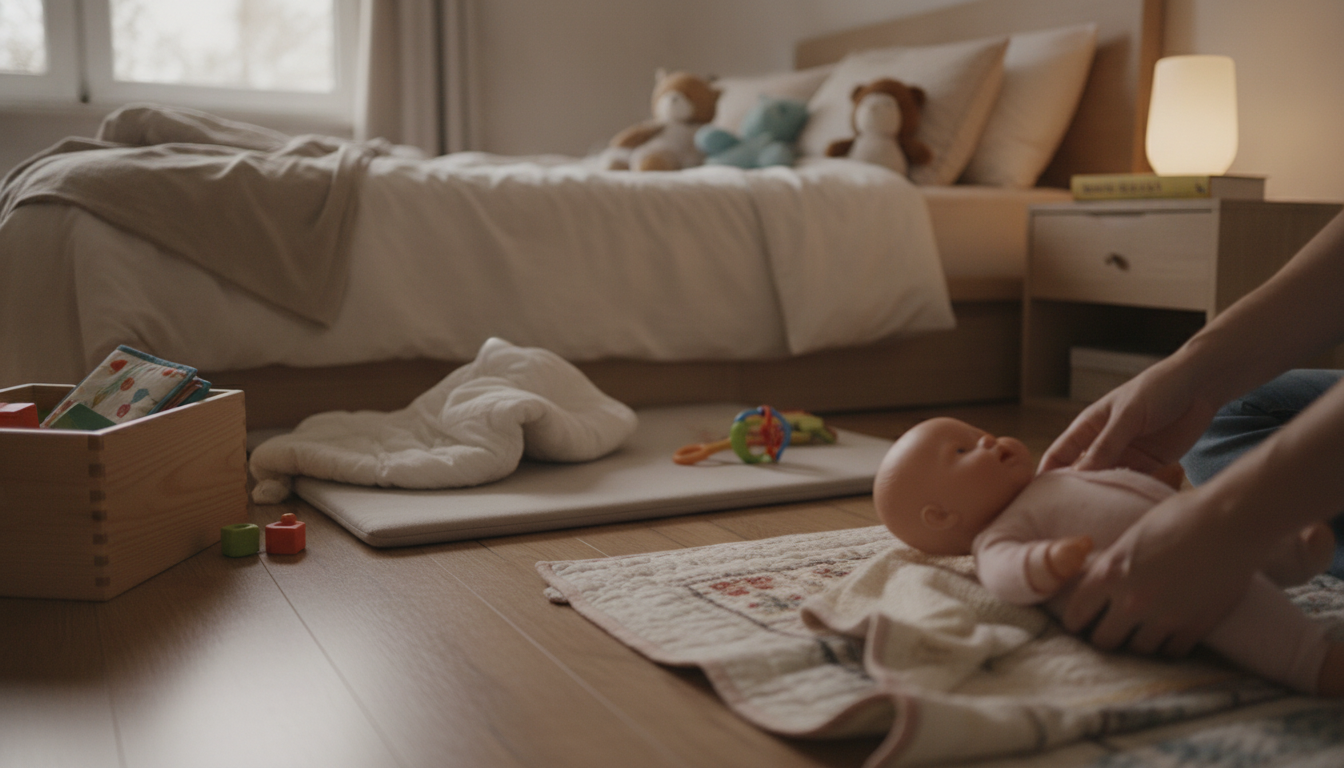
If a baby rolls or scoots, an adult bed can become risky quickly. Simple steps can reduce the chance of repeat falls: use a crib or bassinet for sleep, avoid leaving a baby unattended on elevated surfaces, and place the baby on the floor (on a blanket or play mat) when you need both hands free.
For more detail and context on the original belief and what parents commonly do next, visit the main article here.
For Baby Falling Off the Bed: Old Wives’ Tale & Safety Tips, the best answer depends on fit, material, care instructions, and how the product will be used day to day.
FAQ
What should I do immediately if my baby falls off the bed?
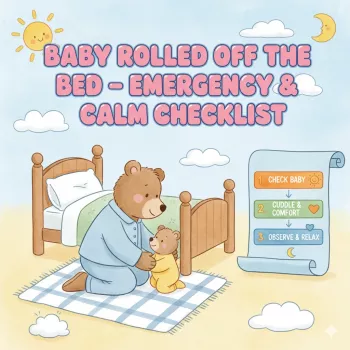
Check breathing, look for bleeding or swelling, and comfort your baby while monitoring behavior. If there’s loss of consciousness, repeated vomiting, unusual sleepiness, seizures, or you’re unsure, contact a healthcare provider or seek urgent care right away.










Leave a comment