Stress-Free Family Holiday Checklist: Plan, Pack, Go
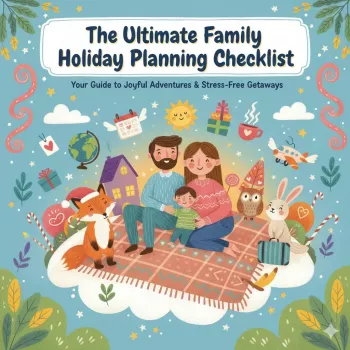
The Ultimate Family Holiday Planning Checklist: A Calm, Kid-Friendly Plan From Start to Suitcase
Family holidays run smoother when the planning is simple, visible, and shared. A checklist approach turns “a million little things” into a few clear stages—so bookings, packing, routines, and kid needs get handled early. The payoff is more room for fun and far fewer last-minute surprises.
Start With the Trip Shape: Dates, Pace, and Expectations
Before you book anything, decide what this trip is meant to feel like. A “great vacation” can mean totally different things depending on kids’ ages, sleep needs, and what adults picture when they say “relaxing.”
- Pick dates that match real life. Consider school calendars, nap schedules, and the most realistic travel windows (early morning flights sound efficient—until you’re waking everyone at 3:45 a.m.).
- Choose the pace. Label the trip as slow, balanced, or busy, then set a daily “must-do” limit (often one anchor activity is plenty).
- Align expectations. Ask each adult and each child (if age-appropriate) what “adventurous” vs. “restful” looks like for them.
- Decide non-negotiables early. Budget ceiling, accommodation type, bedtime protection, stroller needs, food allergies, and whether you’re bringing or renting a car seat.
A Simple Timeline That Prevents Last-Minute Stress
Work backward from departure so tasks land on weeks—not on the final 48 hours. Aim to lock in documents and bookings first, then logistics, then packing.
| When | What to do | Notes for traveling with kids |
|---|---|---|
| 6–8 weeks before | Choose destination, book transport and stay | Prioritize walkability, laundry access, and a quiet sleep space |
| 4–6 weeks before | Check passports/IDs, health needs, and car seat plan | Confirm airline car seat rules or arrange local rental |
| 2–4 weeks before | Draft packing lists, confirm activities, plan transfers | Schedule downtime blocks; avoid stacking early mornings |
| 1 week before | Do laundry, buy mini toiletries, prep entertainment | Rotate “new-to-them” items to reduce boredom |
| 48–24 hours before | Pack essentials, charge devices, print confirmations | Create a single folder: bookings, emergency contacts, insurance |
| Travel day | Snacks, comfort items, medications, change of clothes | Keep one adult’s bag as the “kid essentials” grab-and-go kit |
Build buffer time on purpose: sick days, school events, and delayed deliveries happen. Planning assumes they will—so you’re not scrambling when they do.
Booking Choices That Make or Break Family Comfort
For family trips, “close enough” details can become big daily stressors. A few checks up front protect sleep, reduce transit friction, and keep everyone steadier.
- Accommodation: Confirm the sleeping setup (crib availability, bed rails, room layout), kitchen access for simple breakfasts, and noise level. Ask where the room is located (near elevators can be rough for light sleepers).
- Transport: Favor fewer connections. If a connection is unavoidable, choose a kid-friendly layover length—long enough for bathrooms and a meal, not so long it becomes a second travel day.
- Ground transfers: Pre-book when possible, especially if you’ll have luggage + stroller + car seat. Make sure the vehicle size matches your gear volume.
- Activities: Mix one “anchor activity” per day with flexible options you can skip without regret if naps run long or weather shifts.
For practical, kid-specific guidance on health and planning considerations, the CDC’s Traveling with Children resource is a solid reference.
The Master Checklist: Documents, Health, and Safety
These are the items that cause the biggest headaches when forgotten—so make them your first checklist, not your last.
- Documents: IDs/passports, visas (if needed), booking confirmations, and copies stored both digitally and printed. If one parent is traveling alone with a minor, review official guidance on documentation; the U.S. Department of State’s info on international travel with minors is a helpful starting point.
- Health: Medications in original packaging, kid pain/fever relief, bandages, motion sickness plan, and a thermometer.
- Insurance: Confirm medical coverage, rental car coverage, and any exclusions for activities (water sports, ski lessons, etc.).
- Safety: Emergency contacts card, child ID info (recent photo + description), and a simple meeting-point plan for crowded places.
Packing Systems for Families (So Nothing Important Gets Left Behind)
If your child is in the cup-tossing stage, a leak-resistant travel cup can save outfits and car seats. The Silicone Baby Training Cup with Handles – Leakproof & Anti-Spill 6 oz Sippy Cup is a simple add-on to your “sanity-savers” kit.
Keeping Routines Without Killing the Fun
A familiar comfort item can smooth bedtime in a new place. Packing a dedicated “sleep buddy” like the Fluffy Fox Plush Toy – Soft Stuffed Animal for Kids & Decor can make the first night feel less unfamiliar.
Printable Planner: Turn the Checklist Into a One-Page Plan
A Ready-to-Use Digital Download for Faster Planning
Keep your whole plan in one place with The Ultimate Family Holiday Planning Checklist (digital download), designed to print fresh pages or fill in digitally for each new holiday.
For airport-specific rules (strollers, liquids for kids, screening steps), check the TSA guidance on traveling with children before you leave.
FAQ
What should always be in a family travel carry-on?
Bring documents, medications, one full change of clothes per child, wipes/tissues, snacks, a water bottle, chargers, and one comfort item. Keep it together in one easy-access pouch or folder so you’re not digging at the worst moment.
How far in advance should a family holiday be planned?
A simple timeline works well: book major items 6–8 weeks out (earlier for peak seasons), handle documents and logistics 4–6 weeks out, start packing prep 1–2 weeks out, and do final confirmations 48 hours before departure.
How can routines be maintained while traveling with kids?
Keep the wind-down routine consistent, protect sleep when you can, and schedule daily downtime. On travel days, rely on mini routines (snack, bathroom, water, reset) to reduce overwhelm and prevent meltdowns.









Leave a comment